
Introduction
Utilizing Jira types can simplify challenge administration. They assist groups collect structured data effectively. This text will information you thru the important thing ideas of Jira types, present actionable steps to create them, and spotlight widespread errors to keep away from. By the top, you’ll have the instruments you could leverage Jira types successfully.
Key Ideas of Jira Types
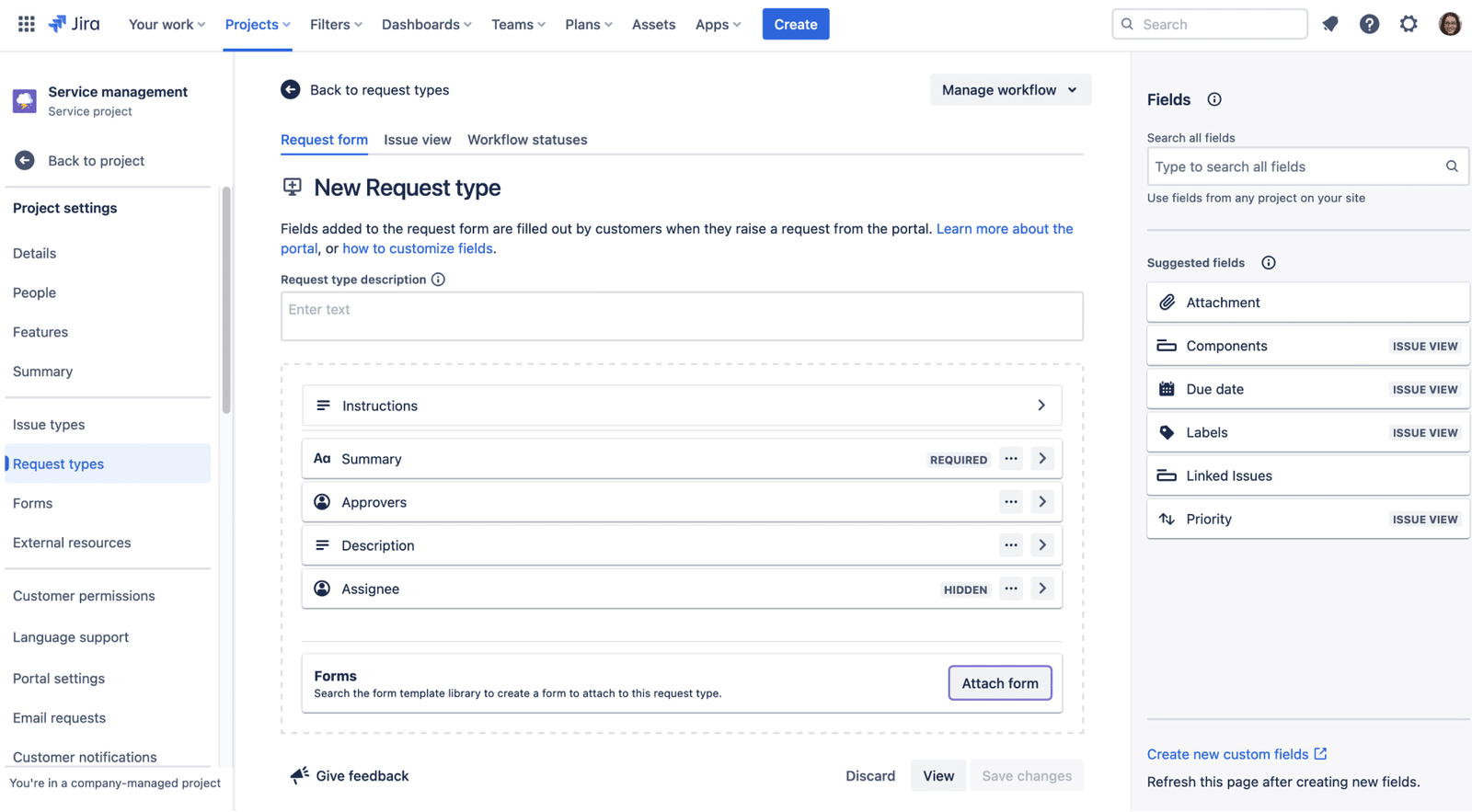
Jira types enable customers to submit data straight into your challenge administration workflow. They streamline communication and guarantee all crucial particulars are captured. In keeping with a survey by Atlassian, groups utilizing well-structured types expertise a 30% improve in productiveness. Beneath are vital parts of Jira types:
-
Fields: These are the parts of your type. Examples embody textual content packing containers, dropdowns, checkboxes, and date pickers. Every subject ought to collect particular data related to your challenge.
-
Validation: This ensures customers enter the proper data. As an example, an electronic mail subject ought to solely settle for legitimate electronic mail codecs.
-
Visibility: Management who sees what. You’ll be able to set permissions for various customers or groups. This characteristic protects delicate data.
-
Integration: Jira types combine with different instruments. For instance, you’ll be able to hyperlink your types to Confluence for documentation or Slack for notifications.
-
Templates: Use templates to standardize your types. This protects time and maintains consistency throughout submissions.
Instance
Think about you handle a software program growth challenge. You might want a type to report bugs. Your bug report type may embody fields for the bug description, steps to breed, severity degree, and atmosphere. This data helps your group resolve points effectively.
Step-by-Step Steerage: Making a Jira Type
Creating an efficient Jira type entails a number of steps. Observe this easy course of to get began.
Step 1: Outline Your Goal
Earlier than you begin, clearly outline what you want your type to do. Questions to think about embody:
- What data do you want?
- Who will use the shape?
- How will you course of the knowledge?
Step 2: Go to Jira Types
- Open your Jira dashboard.
- Click on on the “Types” part.
- Choose “Create Type.”
Step 3: Add Fields
-
Select the kind of fields you want:
- Textual content Fields: For brief solutions.
- Paragraph Fields: For longer responses.
- Checkboxes and Radio Buttons: For selections.
- Dropdown Menus: For choosing choices.
-
Drag and drop every subject into your type. Label every subject clearly.
Step 4: Set Validation Guidelines
- Click on on every subject to set necessities.
- Select what’s obligatory. For instance, make the “Bug Description” subject obligatory.
- Set codecs for particular subject varieties.
Step 5: Management Visibility
- Specify person permissions. Resolve who can view or submit the shape.
- Arrange notifications for group members when a brand new submission happens.
Step 6: Take a look at Your Type
Earlier than going reside, take a look at your type your self. Fill it out as if you happen to had been a person. Guarantee all fields behave as anticipated. Verify for errors and repair them.
Step 7: Share Your Type
As soon as you’re glad, share the shape hyperlink along with your group. Guarantee everybody is aware of entry it.
Widespread Errors and Tips on how to Keep away from Them
Making a Jira type requires consideration to element. Many customers make errors. Listed below are some widespread pitfalls and keep away from them.
Mistake 1: Overcomplicating the Type
Keep away from including too many fields. Lengthy types can overwhelm customers. Persist with important fields to make it fast and straightforward to fill out.
Mistake 2: Lack of Directions
Customers could not perceive what is required in every subject. Embrace temporary directions beside fields the place crucial. Clear steerage reduces confusion.
Mistake 3: Ignoring Consumer Permissions
Not setting permissions can result in information leaks or irrelevant submissions. All the time specify who can entry and submit the shape.
Mistake 4: Forgetting to Take a look at
Skipping the testing part results in unintentional errors. All the time take a look at your type earlier than sharing. Invite a couple of group members to supply suggestions.
Mistake 5: Neglecting Observe-Up
Don’t ignore submissions after they arrive in. Commonly verify and act on the knowledge submitted.
Abstract of Actions to Take
To create an efficient Jira type, observe these key steps:
- Outline the aim of your type clearly.
- Open Jira and create a brand new type.
- Add crucial fields with clear labels.
- Arrange validation guidelines to make sure information accuracy.
- Management visibility by setting person permissions.
- Take a look at the shape earlier than launching.
- Share the shape hyperlink along with your group.
By following these pointers, you’ll streamline your challenge administration course of. Utilizing Jira types successfully can improve communication, improve productiveness, and guarantee higher challenge outcomes. Begin creating your types at the moment, and see the advantages in your group.
