
Introduction
If you happen to work with Jira, understanding the way to see previous sprints is important. It helps you monitor progress, analyze group efficiency, and plan future work. On this article, you’ll learn to view accomplished sprints, analyze information, and enhance your workflow.
Understanding Jira Sprints
A dash is a set interval throughout which particular duties are accomplished. In Scrum, a preferred Agile methodology, sprints enable groups to interrupt massive tasks into manageable items. A typical dash lasts two to 4 weeks.
If you overview previous sprints, you acquire insights. You possibly can see what your group achieved. You possibly can determine areas for enchancment. For instance, in case your group accomplished 80% of duties in a single dash however solely 50% in one other, you might want to analyze why.
How one can See Previous Sprints in Jira
Seeing previous sprints in Jira is easy. Comply with these steps to entry your dash information.
-
Open your undertaking.
Begin by navigating to the undertaking you wish to overview. -
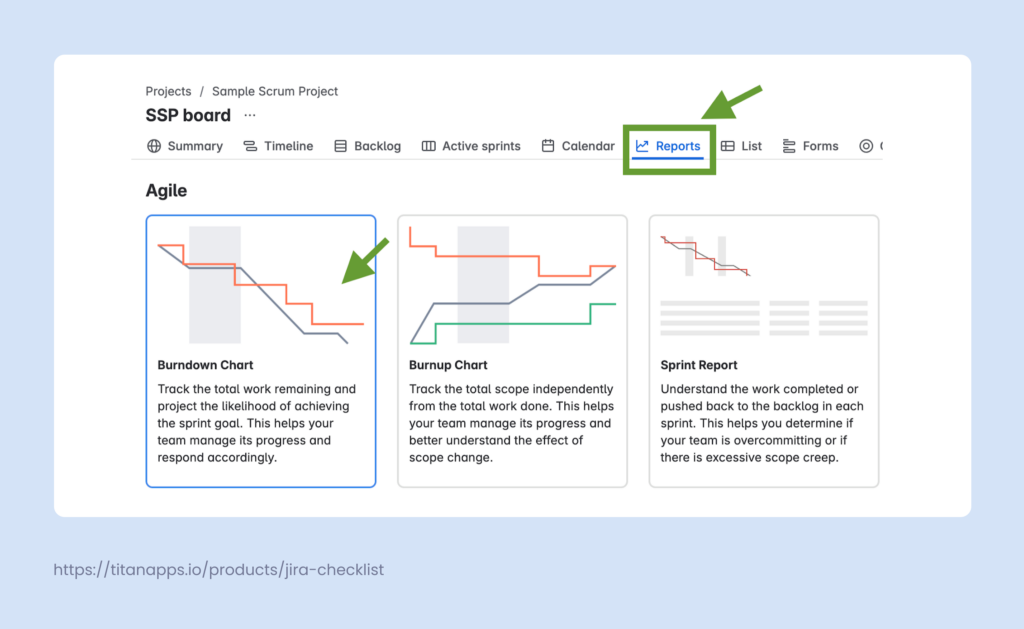
Go to the Experiences part.
Search for the “Experiences” tab on the left facet menu. -
Choose Dash Report.
Within the Experiences part, select the “Dash Report.” This report shows accomplished sprints and their particulars. -
Select a dash to view.
A drop-down menu means that you can choose a particular dash. Click on on it to view completion percentages, story factors, and duties accomplished. -
Analyze the information.
Evaluation the report. Notice the variety of duties accomplished versus the entire deliberate. Take a look at any uncompleted duties and their causes.
This course of helps you entry helpful data. Use it to evaluate your group’s effectivity and productiveness.
Step-by-Step Steering on Analyzing Previous Dash Information
When you entry previous sprints, carry out an intensive evaluation. Listed here are steps that will help you analyze successfully.
-
Evaluation Completion Charges.
Test what number of duties had been accomplished. A excessive proportion is an effective signal. A low proportion signifies points that want addressing. -
Look at Story Factors.
Take a look at story factors to know the hassle put in. If a group constantly underestimates story factors, this could have an effect on planning. -
Establish Blockers.
See if any duties had been stalled. Figuring out blockers may help you discover options. This will increase general effectivity. -
Collect Workforce Suggestions.
After analyzing information, collect suggestions from group members. Their views on the dash can reveal insights not captured in stories. -
Create Motion Objects.
Primarily based in your evaluation, checklist motion objects. Determine the way to enhance processes for future sprints.
Following these steps means that you can perceive your group higher and enhance workflows.
Widespread Errors in Dash Evaluation and How one can Keep away from Them
Many groups fall into traps when analyzing previous sprints. Recognizing these widespread errors can maintain you on monitor. Listed here are some errors to keep away from.
-
Ignoring Uncompleted Duties.
Many groups solely give attention to accomplished duties. They overlook to investigate uncompleted duties. This will conceal points that want addressing. All the time have a look at what was not completed and discover out why. -
Not Involving the Workforce.
Groups generally analyze information with out group enter. This will result in lacking important insights. Contain everybody in discussions about what labored and what didn’t. -
Neglecting Historic Developments.
Counting on one dash’s information alone is unwise. Take a look at developments over a number of sprints. This reveals patterns that one dash alone can not present. -
Forgetting to Alter Future Plans.
Some groups analyze information however don’t alter future dash plans. Use insights from previous sprints to enhance future ones. Alter the variety of duties or story factors accordingly. -
Failing to Doc Findings.
Not documenting findings from dash evaluation can result in repeating errors. Hold information of insights and motion objects for future reference.
Avoiding these widespread errors results in higher evaluation and more practical sprints.
Abstract of Actions to Take
To successfully see and analyze previous sprints in Jira, observe these steps:
- Navigate to your undertaking and go to the Experiences part.
- Choose Dash Report and select the dash you wish to overview.
- Analyze completion charges, story factors, and uncompleted duties.
- Collect suggestions out of your group.
- Create motion objects primarily based in your insights.
By constantly making use of these practices, you’ll enhance group efficiency and enhance productiveness. You’ll acquire a clearer understanding of your tasks and workflows.
